
The Malta Nomad Residence Permit (NRP) has just been launched by the Residency Malta Agency. As a country, Malta has been attracting digital nomads for years and since then Malta became a cosmopolitan and multi-cultural hub in the heart of Europe. Malta offers all the benefits for individuals seeking to work remotely from Malta including a robust infrastructure, internet connection, airline connectivity and 300 days of sunshine. In addition, English is one of Malta’s official languages and is widely used in Malta. Malta therefore ticks all the boxes for individuals wanting to relocate to Malta whilst retaining their current employment in another country.
The Malta Nomad Residence Permit (NRP) – Requirements
The Nomad Residence Permit is open to Non-European individuals who can work remotely in Malta, independent of where the service is offered. A residence permit issue under the NRP is valid for one year and is renewable as long as all the requirements of the programme are kept. A €300 application fee payable to the Government is applicable.
To qualify for Malta’s Nomad Residence Permit applicants must reach a monthly income of €2,700 (gross of tax).
Applicants must also:
- Hold a valid travel document,
- Have a Health Insurance Policy
- Rent or Buy Property in Malta
- Pass a Background Verification check conducted by Maltese authorities.
There are three categories of Digital Nomads who may be eligible to apply for Malta’s NRP. These include individuals who:
- Work for an employer registered outside of Malta and have a contract of work, or
- Conduct business activities for a company registered outside of Malta and which the applicant is a shareholder or a partner, or
- Offer Freelance or consulting services to clients whose permanent establishments are in a foreign country and with whom the applicant has contracts.
Applicants who intend to spend up to one year residing in Malta will be issued with a Residence Permit whilst those who intent to spend up to 180 days in Malta will be issued with a National Visa.
Digital Nomads under the NRP may also bring their family members to Malta including one’s spouse and minor children. Adult children who are unable to cope independently due to any medical condition, disability or those who are economically dependent on the main applicant may also be considered.
Applications under the NRP are expected to take up to 30 days following submission of the application. ACC Immigration can assist digital nomads apply under the NRP. ACC Immigration is licenced by Residency Malta Agency and holds licence number AKM-ACCA-22.
The Malta Permanent Residence Programme is now accepting applications from prospective applicants seeking permanent residence in Malta. Following the publication of Legal Notice 121 of 2021 the Malta Permanent Residence Agency is now formally accepting applications under the MPRP, after having stopped receiving applications under the previous Malta Residence and Visa Programme on Friday 26th March 2021.
Two Investment Options for Applicants to choose from
The Malta Permanent Residence Programme is now accepting applications from prospective applicants seeking permanent residence in Malta. Following the publication of Legal Notice 121 of 2021 the Malta Permanent Residence Agency is now formally accepting applications under the MPRP, after having stopped receiving applications under the previous Malta Residence and Visa Programme on Friday 26th March 2021.
The new regulations lay down the legislative framework for the acquisition of residency under the MPRP. Residence cards under the MPRP are issued for 5 years and renewable for 5 years indefinitely as long as the applicant maintains a residential property in Malta. Holders of the MPRP enjoy permanent residency status in Malta granting the right to stay indefinitely in Malta subject to fulfilling the requirements set out in the legal notice.
Malta Permanent Residence Programme: Investment Options
Applicants under the MPRP may choose from two investment options:
1.Property Rental Option, or
2.Property Purchase Option
Whichever option is chosen the applicant is also required to make a one-time donation of €2,000 to a Maltese charity institution or non-governmental organisation.
Applicants are also required to make a contribution of €68,000 when buying a qualifying property; or €98,000 when renting a qualifying property.
If the applicant opts for the Property Rental Option, he should rent a property for at least €10,000 annually if the property is located in the South of Malta or Gozo, or €12,000 annually if located in the Central or Northern Part of Malta.
If the applicant opts for the Property Purchase Option, he should buy a property for at least €300,000 if the property is located in the South of Malta or Gozo, or €350,000 if located in the Central or Northern Part of Malta.
Malta Permanent Residence Programme – Eligibility
The MPRP is available only for Non-EU/EEA applicants of good repute. Applicants are required to show evidence of clean source of funds and wealth and a clean police record. In addition, applications under this programme are required to have capital of at least €500,000 out of which €150,000 must take the form of financial assets.
In the same application, the applicant may include the following family members:
•spouses or partners in a stable and durable relationship
•dependent unmarried children with no age limit, as well as
•economically dependent parents and grandparents of both the Main Applicant & the Spouse
Malta Permanent Residence Programme: Benefits
- Permanent Residence is valid for life
- Maltese Residence Cards are valid for 5 years and renewable for subsequent periods of 5 years
- Applicants have the right to live, work and reside in Malta
- Malta is part of the Schengen Area, the Commonwealth and the European Union
- Visa Free Travel within the Schengen Area
- Malta enjoys high quality education and healthcare services
- The MPRP allows a property rental option in lieu of a buying option, making the process both easy and convenient.
Our Malta Permanent Residence Services
ACC Immigration is a Maltese licenced immigration firm guiding high net worth international families on diverse subjects such as residency & citizenship, corporate, tax, financial services, fintech & property acquisition. Over the last 20 years, our Malta Immigration specialists have successfully represented hundreds of individuals and families ranging from expatriate retirees, emigrants seeking employment and high net worth individuals.
We are able to advise you on the tax and legal implications and requirements of the residence application process and indicate expected time frames based on the specific circumstances and nature of your application. Our advice covers the rules applicable to immigrating to Malta under a number of available residence schemes as well as practical relocation assistance ranging from transportation and insurance to schooling and health insurance coverage.
ACC Advisors Limited holds licence number AKM-ACCA
Within the remit of the Maltese Citizenship Act, the Granting of Citizenship for Exceptional Services Regulations, 2020 are published nailing down the much awaited procedural and administrative details of the new Maltese investment migration regulations. By virtue of Legal Notice 437 of 2020 Malta launched the Granting of Citizenship for Exceptional Services Regulations with the scope of laying down the requirements and regulating the granting of citizenship by naturalisation for exceptional services to the Republic of Malta on the basis of exceptional interest.
Maltese Citizenship: Exceptional Services
Article 10(9) of the Maltese Citizenship Act, provides for the acquisition of Maltese Citizenship by individuals who render exceptional services to Malta including scientists, researchers, athletes, sports people, artists, cultural performers, investors and entrepreneurs. Exceptional services are defined as services that are unusually excellent or manifestly superior at a local level, and refers primarily to contributions given by scientists, researchers, athletes, sports people, artists, cultural performers, investors and entrepreneurs.
Maltese Citizenship is granted to the applicant who renders such exceptional services as well as all eligible dependents of such individual.
Exceptional Services through Investment in Malta
The grant of Maltese citizenship for exceptional services through investment in Malta requires an investment of at least €600,000 to be made upon demonstrating three years of presence. This period of three years can be reduced to one year if the contribution is increased to €750,000.
The applicant is also required to submit:
- Proof of residence in Malta for at least thirty-six (36) months or by exception of (12) months against a higher investment, preceding the date of application &
- An undertaking to purchase a residential property worth at least €700,000 or rent a property for a minimum annual rent of €16,000, which shall be kept for a minimum of five (5) years from the oath of allegiance &
- An Undertaking to donate prior to the issue of a certificate of naturalisation, a minimum of €10,000 to a registered and compliant philanthropic, cultural, sport, scientific, animal welfare or artistic NGO or society.
Screening and Due Diligence of Applicants for Maltese Citizenship
After the first level of screening, in the form of an eligibility assessment and a screening against the known grounds for rejection, applicants undergo an enhanced standard of due diligence at various stages in the residence application and subsequent eligibility and citizenship applications.
Connecting factors with Malta a prerequisite for Maltese citizenship
This is in addition to demonstrating connecting factors with Malta through personal, social, commercial, investment and philanthropic engagement with the host country Malta.
Qualifying Dependents
An applicant applying under these regulations can include in a citizenship application the following dependents:
- The spouse in a monogamous marriage or partner having the same or similar status. The term spouse shall be construed as gender neutral
- A child of the Main Applicant or the spouse under the age of eighteen (18)
- An economically dependent and unmarried child of the Main Applicant or the spouse who has not yet attained the age of twenty-nine (29), at the time when the citizenship application is accepted by the Agency
- A child of the Main Applicant or the spouse, including an adopted child who at the time of the application has attained the age of eighteen (18) and is qualified as a person with a disability
- An economically dependent parent or grandparent of the Main Applicant or the spouse above the age of 55
Supervision & Regulation of Applications
Applications shall be submitted to and processed by the new Community Malta Agency that has the responsibility of inhouse and additional outsourced due diligence to ensure only clean and reputable families and investors make it to naturalisation as Maltese citizens.
The number of certificates under the Maltese Citizenship by Naturalisation for Exceptional Services by Direct Investment shall not exceed four hundred (400) per annum, and a total of 1,500 for the duration of the regulations.

We are a team of Maltese citizenship and immigration lawyers specializing in providing services pertaining to all aspects of obtaining citizenship in Malta.
Malta Citizenship Agents – Our Services
Our citizenship lawyers dedicate personal attention to each client and oversee each citizenship case individually. As Maltese citizenship agents, we help our clients assess which citizenship route or citizenship programme best suits their objectives and whether they qualify for residency or citizenship under Maltese citizenship law. We offer all ancillary tax and legal services for holistic coverage of all immigration and relocation projects.
Malta Citizenship Agents – B2B Partnerships
The firm acts as a Malta citizenship agent for international lawyers, immigration firms and professional advisors in all their interests in Malta, providing Malta residence and citizenship due diligence, file-building, immigration submission, reviews and appeals for their clients.
Our lead citizenship lawyer
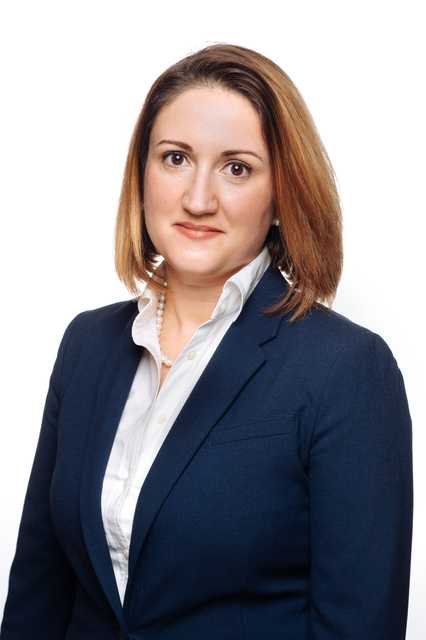
Our managing partner Dr Priscilla Mifsud-Parker is a private client lawyer with key expertise in immigration law, citizenship law and residence programmes in Malta. Priscilla has several years of experience in immigration law, estate and succession law, trusts and estates and property law. Priscilla has represented numerous entrepreneurs, investors, pensioners and family offices in their relocation, residence and citizenship matters, together with ancillary personal tax advice and estate management services.
As part of our Malta citizenship services, Priscilla also advises our clients on trusts and estate planning, wealth and business structuring for entrepreneurs, investors, high net-worth individuals and their advisors. In the structuring field her main speciality is tailoring solutions for the optimisation and protection of high value assets and reorganisations of complex structures.
Priscilla’s background and experience has enables her to assist clients in structuring their wealth through well-structured, licensed entities such as investment funds.
Licensed Malta Citizenship Agents
ACC Advisors Ltd is a company registered in Malta with registration number C-44042. ACC Immigration is duly authorised to act as a licensed Malta citizenship agent in terms of the Agents (Licences) Regulations, 2020 (L.N. 435 of 2020) and bound by the “Licence Agreement and Code of Conduct and Ethics for Agents” entered into with Community Malta Agency, under official Malta licence number AKM-ACCA
Languages
English, French, Italian, Arabic, Mandarin, Turkish, Russian & Maltese.
About Malta
The little-known Mediterranean island of Malta and its smaller neighbour Gozo, have much to offer in terms of both entertainment and culture. Having first become part of the EU in 2004, and later in 2008 adopting the Euro, Malta has a rich history dating back to 7000 BC, and this has led a unique mix of architecture and culture. In the last few years the island has become renowned for its cosmopolitan lifestyle and recreational options including clubs, upscale restaurants and outdoor sports.
Malta’s Quality of Life
International Living Magazine’s quality of life index rated Malta as the number one place in the world to live. Its favourable climate, beautiful beaches and low levels of crime, highly skilled work force with English being an official language have contributed to Malta’s reputation being an attractive location to take up residence. Malta positioned in the centre of the Mediterranean is in close proximity to both Europe and North Africa and multiple airlines operate to and from Malta, creating direct links to the rest of the world.
Malta’s Real Estate Market
Malta’s real estate market encompasses properties of all types and prices, ranging from economical apartments to luxuriously finished villas. Different parts of the island provide distinct backdrops and one has the option of choosing a country view, sea view and even a cityscape. Gated communities and special designated areas offer exclusive places of residence for individuals from all over the world.
Malta’s Healthcare System
The healthcare system in Malta is one of the best in the world. All Maltese residents and foreign nationals from EU member states holding European Health Insurance Cards (EHIC) are eligible to receive free health care.
Non-EU citizens looking to take advantage of Malta’s attractive residence programme have to be covered by a local all-risk medical insurance policy. Malta is an impressive destination and we encourage you to consider its benefits. There is much more to be discovered about the Maltese archipelago and why it makes for a sensational place of residence.

Malta’s real estate market is vast and varied, with properties available to suit all requirements. Yet making a large purchase or investment in order to obtain a dream home may require financial assistance. Various types of home loans are available in Malta, with banks such as HSBC, Banif, BOV and APS offering specialist service at competitive prices.
Property Bank Loans in Malta
Loans are developed according to the needs of the individual, so whether one aims to purchase a shell property or plot of land that is to be developed, or even a property that will serve as a second home or rental, it is possible to obtain a loan relatively conveniently.
For Maltese citizens, a home loan may offer up to 90% of the property’s total value, with the other 10% normally paid out of the buyer’s pocket as a deposit on the property. Loan repayment conditions may be spread over the course of many decades. Typically it is up to 40 years depending on the individual’s age, or up to the age of 65, and normally do not exceed 25% of the individual’s gross income.
The amount that can be loaned by the bank is calculated depending on gross annual income or joint annual income if a couple is applying, pre-existing loans and debt, affordability and expenditure. In addition to these factors, a life insurance policy and building insurance policy are compulsory in order to cover the replacement cost of the property.
First time buyers
First time buyers typically receive the most profitable home loan rates. There are specific loans that provide many benefits, including advantageous interest rates, deductions for multiple legal fees and a loan amounting to up to €150,000 which is repayable over 40 years. In addition to the home loan, but depending on the specifications of that particular loan, first time buyers are eligible to supplementary loan packages, which include the purchasing of furniture and appliances.
What is required to apply for a property loan in Malta?
The requires are different for Maltese citizens and non-Maltese residents.
Property loan for Maltese Citizens
For Maltese citizens, the following items are required:
- ID card or passport.
- Proof of income, such as tax returns or FS3 forms.
- Documentation of existing financial obligations, such as unrelated loans or credit cards.
- Documentation pertaining to life insurance policies, investments, assets and bank account statements dating back three years.
- An architect’s evaluation report of the property, including plans, permits and evaluation of costs.
- The deed of acquisition or preliminary agreement.
Property loan for non-Maltese residents
Non-Maltese residents are welcome to apply for local loans, and up to 80% of the property’s value can be covered. Typically, loan repayments do not exceed 30% of an individual’s gross income and may also be repaid over a period of 40 years (depending on one’s age) or up until the age of 65. Life insurance and building insurance policies are also required when applying for a loan.
The following must be provided when applying for a loan:
- Passport.
- Proof of income, including three income tax returns or three months’ pay slips.
- The deed of acquisition or preliminary agreement.
- An architect’s evaluation report of the property, including plans, permits and evaluation of costs.
- A banker’s reference.
- Any pre-existing mortgage, loan or current account statements.
Every individual has different circumstances concerning their case, so additional documentation might be necessary. Read more about the Legal Process for buying a property in Malta
Malta is one of the few countries where the state funds public healthcare for all citizens through taxation and weekly national insurance contributions paid for by employers and employees. One may find both private and public healthcare sectors and presently, free healthcare is offered in 42 clinics, which are housed in 8 health centres.
Malta’s healthcare services
Malta’s main public hospital, Mater Dei, is the largest and most technologically advanced hospital in the country. It boasts over 800 beds, 25 operating theatres and a new oncology centre which is set to open in 2014.
The most recognized private clinic is St. James Hospital, which has numerous clinics offering a variety of services. These include cosmetic surgery, dentistry, eye surgery, obesity treatment and access to both general and specialized medical practitioners. All patients seeking private healthcare are required to cover the necessary payments, this can be done either through direct payment or private local health insurance policies.
Medical tourism has been growing steadily and is closely linked to private healthcare, offering both simple and complex treatment. Medical tourists normally enlist private services in order to avoid waiting lists. Given the high level of expertise offered by Malta’s most qualified specialists, together with its competitive prices and favourable climate, Malta is an idyllic place for treatment and recuperation. Choosing what type of care is needed depends on the individual’s desires, costs and waiting times.
How non-Maltese nationals can use Maltese health services
Most visitors to Malta buy private health insurance, but European Union nationals visiting Malta who are in possession of a European Health Insurance card (EHIC) may make use of public health services at no cost if they are injured or become ill. The EHIC does not cover persons travelling to Malta purely to seek medical treatment. Neither does it cover the medical transportation fees.
UK and Australian nationals who are in Malta for less than 30 days are also entitled to receive free healthcare. This is possible via a reciprocal health care arrangement between the countries.
Non-European Union residents or visitors to Malta who do not possess residency or do not pay national insurance will be responsible for covering all the costs of their treatment. It is advised that both EHIC and non-EHIC holders apply for Maltese health insurance. This is to guarantee full medical insurance coverage, especially in connection with medical expatriation, which can be very costly.
Health Insurance in Malta
Health insurance may be purchased from multiple local insurance companies. Prices are competitive, so researching and comparing costs are vital in securing the best policy per individual. It should be noted that this insurance does not cover pre-existing conditions.
In the case of a medical emergency, all patients are admitted and treated. Once the patient is stabilized, then measures will be taken to either prove their right to no cost care or to provide private insurance details or coverage.
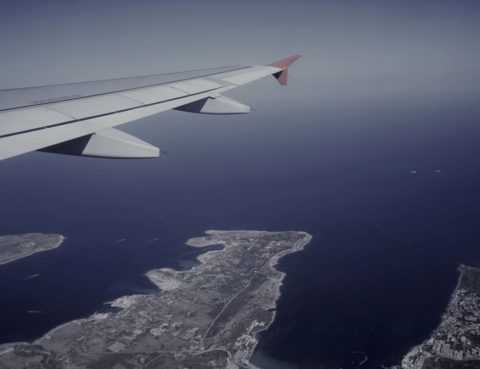
Modelled on the British system, the education system adopted by the Maltese island comprises two compulsory stages: primary education (from age five until age eleven) and secondary education (from age twelve until age sixteen). Following completion of secondary education, youths are free to choose whether to complete their education at a post-secondary, and eventually tertiary level; or they may opt to join Malta’s workforce. Almost every locality in Malta features at least one primary school, and most localities also feature secondary schools.
Types of Educational Institutions in Malta
There are three kinds of educational institutions in Malta and Gozo which cater for compulsory education – private schools, government owned schools and church run schools. The benefits of private schooling in Malta is that your child will receive more individual attention to cater for his or her specific needs, as these schools tend to have more resources available than either state owned schools or church schools.
Secondary education includes a number of compulsory subjects, including mathematics, English, Maltese (for Maltese nationals), at least one science subject and one foreign language, and environmental studies. A number of elective subjects are also available, including various foreign languages and subjects across both the humanities and sciences.
MATSEC examinations
At the end of their compulsory education, before deciding whether to continue studying, students sit for the matriculation certificate – known as the MATSEC examinations (a system based on the British O’level system). Similar exams at an advanced level are held should students choose to further their education at a sixth form, and are a pre-requisite for entrance to many courses at the University of Malta. You can find more information about MATSEC and A’level examinations here.
Post-secondary Education
Malta boasts one of the highest levels of post-secondary education in Europe, with over 11,000 registered students at the University of Malta alone. There are six sixth form colleges in Malta – St. Martin’s College; St. Edward’s College; St. Aloysius College; De La Salle College; G.F. Abela Junior College and Giovanni Curmi Higher Secondary School. There is also a state run sixth form in Gozo – Sir M.A. Refalo Post Secondary School.
Alternatives to sixth form is the Malta College of Arts, Science and Technology (MCAST), which offers higher education at various levels ranging from part-time evening courses, to university level degree course; or the Institute of Tourism Studies.
The University of Malta
Following completion of post-secondary education, many students opt to continue their studies at a tertiary level, where a number of options are available. The largest tertiary education institution is the University of Malta, boasting over 11,000 students at undergraduate, postgraduate and doctoral levels. Education at an undergraduate level is free of charge for all Maltese and EU nationals. Other tertiary level institutions include St. Martin’s institute for higher education and the European Institute for Education, as well as a number of smaller, privately run degree courses.
More and more students in Malta choose to complete their education at a Master’s level. Although many courses of which are available at the University of Malta, it is becoming common practice for students to seek higher education abroad – as the reputation of the University of Malta paves the way for admittance into an almost limitless number of postgraduate programmes.
Malta’s Government Education Incentives
Malta’s Government has always remained committed to furthering education levels, offering a large number of incentives to subsidise the cost of continuing education at a level required to maintain the country’s socioeconomic development across a huge range of sectors. This is evident in the consistently growth in the number of annual graduates across all levels of education.
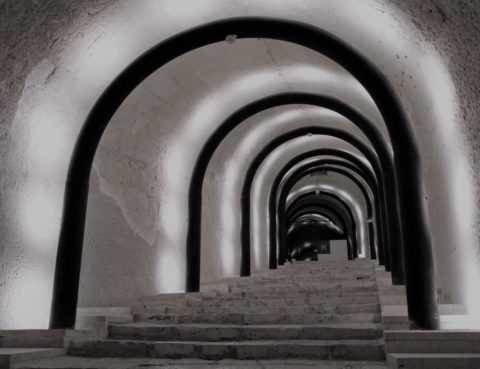
Their ideal location in the centre of the Mediterranean Sea has given the Maltese islands an extremely diverse collection of cultures and traditions, stemming from the influences of the various groups who have occupied the archipelago. In today’s day and age, Malta remains a culturally diverse nation, due to the high levels of emigration (especially from continental European expatriates). In order to accommodate for all the varying cultures that call this melting pot of nations home, there are many ways to satisfy all sorts of lifestyles.
Maltese Art and Architecture
For the artistically inclined, there is an abundance of art and architecture that the island has to offer – ranging from the ancient city of Mdina with its largely baroque style of architecture, to the parallel streets of the Capital, Valletta; for such a physically small nation there are many museums housing beautiful works of art to suit anyone’s taste, regardless of artistic inclination.
The majority of artworks and traditions in Malta draw their influence from Malta’s strong religious roots. The superb architecture of the churches of Malta are a must see – each of Malta’s 365+ churches is unique in its own way and has something different to offer its visitors.
Maltese Summer Feasts
The strong religious ties are especially seen in summer, where each week a different parish hosts a feast, paying tribute to their own respective saint. These feasts feature traditional music and games, dating back hundreds of years, typical Maltese cuisine and an astounding fireworks display – with each parish competing to outdo the others.
Maltese traditions and lifestyle
Despite its geographic limitations, Malta plays host to various different cities and towns – ranging from the metropolitan town of Sliema, to the more traditional fishing villages such as Marsaxlokk. In an area smaller than most major cities in Europe, Malta plays host to many different traditions and lifestyles depending on which part of the island you’re in.
Traditionally, towards the north and south of the island you’re more likely to find people interested in relaxing and enjoying the culture that this sun-kissed island has to offer. In the centre live the more urban people, preferring to adopt a metropolitan lifestyle, engaging in work in the tertiary sectors and living more fast-paced lives than the relaxed lifestyles of the north.
Malta, the Pearl of the Mediterranean
Life in Malta can be very laid back – with its warm summers, the constant concerts by local talent such as world renowned tenor Joseph Calleja, the annual Isle of MTV music festival, the different traditions, easy access to the beach, the more exclusive areas such as Portomaso or Tigne Point – it can be seen as the ideal place to retire.
There is someone for everyone, regardless of age, nationality or lifestyle choice – everyone feels at home in the small, warm and inviting island. Language is not an issue – since Malta is a bilingual country almost 90% of the population speaks English, and other spoken languages include Italian, French and German.
No matter where you’re from, you’re almost certain to meet someone from your home country. The almost perennial sunshine, the friendliness of the Maltese people and the abundance of things to do attract thousands of visitors each year, with many choosing not to return home once they’ve had a taste of what is often called the pearl of the Mediterranean.
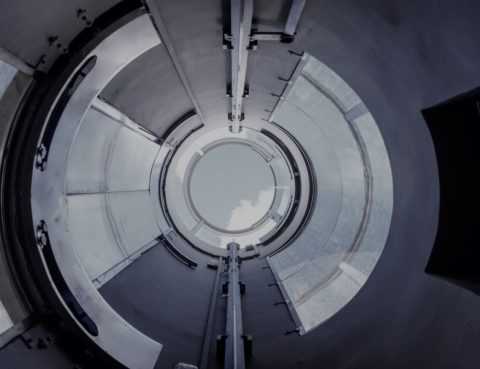
Its ideal strategic location in the middle of the Mediterranean sea has ensured that Malta has always been a hub for transport and transit stops. This hasn’t changed in modern times – whether it is a stop on a cruise, or a transfer stop for long international journeys, Malta plays host to hundreds of ships and planes on a monthly basis.
Travelling to and from Malta
Serviced by most major European airlines, Malta International Airport has won several international awards for its service and business management. There are direct flights from most major European cities – flights which become extremely frequent in the peak summer months. Servicing flights from major airports such as Frankfurt, Dusseldorf, Munich, Zurich and many others, it is also very easy to catch a connecting flight to Malta. Malta International Airport also hosts several low cost airlines, such as Ryanair and Easyjet – so travelling to and from Malta is now easier than ever, and there is now the option to get a low cost flight back home for the weekend.
With its many ports and harbours, air is not the only way to travel to and from Malta – the beautiful island welcomes many cruiseliners throughout the year. Several daily ferry services run between Malta and Sicily via catamaran. There is also the option to sail in on your own private yacht and berth in one of the many marinas around the island.
Do you need a Visa to travel?
Travelling to Malta is very simple. As it forms part of the European Union, people travelling from an EU member state do not require a visa. Malta also forms part of the Schengen area and as such even passports are not required for those travelling from countries forming part of the agreement– a regular form of identification such as an ID card or a driver’s licence will suffice for entry into the country. Traveller’s visas from the United States or Canada can last up to 90 days before renewal is needed.
Quality of life in Malta
Malta does not have any local diseases, and as such immunisation is not required for entry. However, it is always advisable to consult the World Health Organisation’s International Travel and Health document, which can be downloaded from here. Malta remains a relatively safe country in terms of crime rates, however it is advisable to always book travel insurance as a precautionary measure. Travellers from the European Union are also advised to have with them an European Health Insurance Card: as emergency health care is only free to residents of the Maltese islands (both Maltese, as well as permanently placed foreign nationals holding a Maltese identity card).
Read more on moving to Malta and enjoy its Mediterranean lifestyle through the Malta Key Employee Initiative (KEI) and the Malta Nomad Permanent Residence